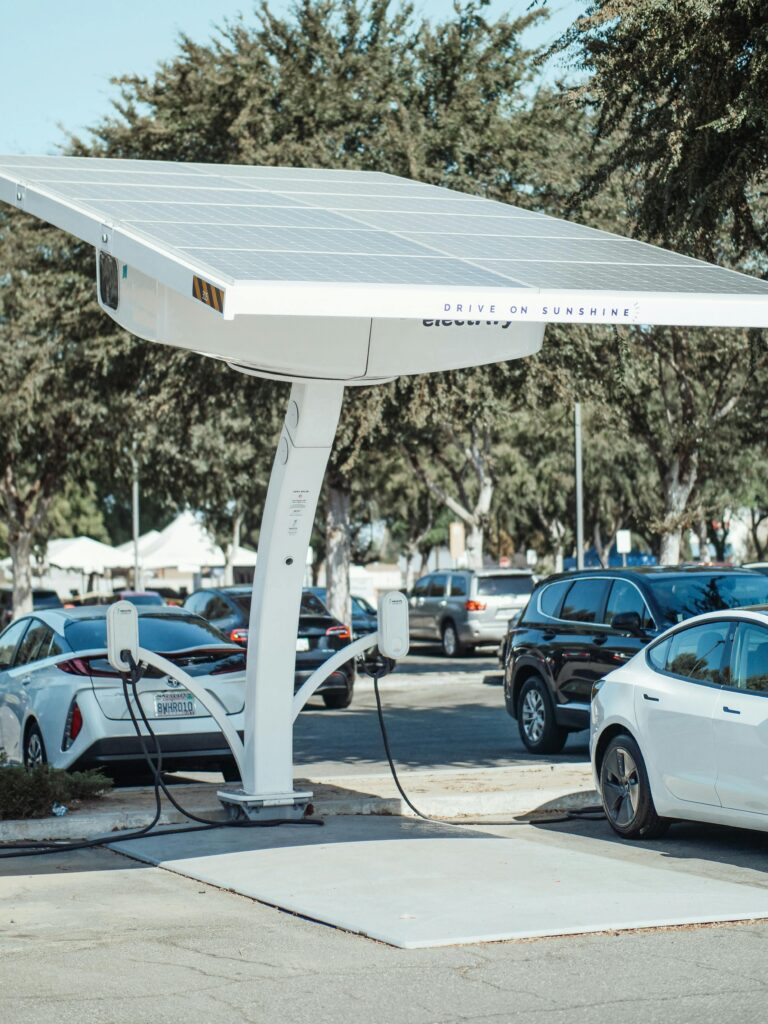

The automotive landscape is rapidly transforming, and hybrid and electric vehicles (EVs) are leading this evolution. Advancements in technology, growing concern over environmental issues, and shifts in consumer demand are all propelling this surge in innovation. As drivers and industry professionals look toward what’s next in mobility, understanding these shifting trends is essential for staying ahead. Learn more about new vehicle options and how these trends may impact your next automotive choice.
With more eco-friendly transportation options than ever before, consumers are evaluating vehicles not just for performance but also for sustainability and long-term value. Governments are reinforcing the momentum by introducing policies and incentives that encourage clean energy solutions, while automakers invest heavily in research to outpace rivals. These shifts are fundamentally changing how people approach car ownership, fueling adoption at a pace that would have seemed impossible a decade ago.
This era is marked not only by technological leaps but also by a rethinking of infrastructure and everyday driving. Improved batteries, expanding charging networks, and intelligent vehicle systems are making it easier for drivers to consider alternatives to traditional gasoline-powered vehicles. As a result, the marketplace is seeing explosive growth in both hybrid and electric options, altering the global automotive landscape.
Those following these trends closely will also notice a growing focus on lightweight, sustainable materials that further optimize efficiency and reduce environmental impact. As we explore the following sections, we will highlight important developments, challenges, and the future outlook for hybrid and electric vehicles.
Advancements in Battery Technology
Breakthroughs in battery technology are at the heart of the modern EV revolution. Engineers are striving to improve battery energy density and reduce charging times while simultaneously lowering costs. One of the most exciting recent breakthroughs is the development of solid-state batteries, which hold the promise of offering greater range and quicker charging than the industry-standard lithium-ion batteries. Major automakers, including Toyota and Mercedes-Benz, are investing billions into refining these batteries, with the first models expected to reach the market before 2030. The expectation is that these advancements will significantly lower barriers for first-time EV buyers and expand the market to new customer segments.
Innovations have also been pivotal in battery lifespan and recyclability. Companies are now designing batteries to be more easily reused and recycled at the end of their service life, supporting a more circular economy and mitigating environmental footprints. The push for efficiency is not solely about extending driving range, but also reducing the weight of battery packs and vehicle frames, boosting overall vehicle performance and sustainability.
Expansion of Charging Infrastructure
Charging infrastructure is a linchpin for electric vehicle adoption. The U.S. and other leading car markets have seen rapid expansion of charging networks, enabling millions of Americans to contemplate EVs for the first time. In 2025, over 12,000 new fast chargers were installed along vital highway corridors, making long-distance travel in an electric vehicle increasingly seamless. According to the Department of Energy, nearly 70 percent of the nation’s ten longest interstate highways are now within 10 miles of a fast charger, greatly reducing the anxiety many drivers have about finding convenient charging locations.
Growth is not just happening nationally; it is also happening at the municipal level, with new building codes and incentives encouraging the deployment of public and private charging stations. Urban areas and workplaces are rapidly increasing the number of available chargers, while advances in smart-grid technology enable efficient charging at times that minimize demand on the power grid. These improvements are helping to ensure charging availability keeps up with the rising tide of EV adoption.
Integration of Smart Driver Assistance Systems
Modern vehicles are evolving into sophisticated digital platforms, with advanced driver assistance systems (ADAS) playing a crucial role in the appeal of hybrid and electric vehicles. These features include adaptive cruise control, lane-keeping assistance, collision mitigation, and intelligent parking. They not only enhance safety outcomes but also elevate the driving experience by enabling semi-autonomous and convenience features. The proliferation of these technologies is bridging the gap between conventional driving and full vehicle autonomy.
As these systems improve, car buyers are coming to expect such technology as standard rather than optional. Manufacturers are responding by integrating ADAS into all products, from entry-level compacts to luxury SUVs. This integration is helping ease reluctant consumers into the idea of fully autonomous vehicles in the future, building trust and familiarity with advanced automation.
Adoption of Lightweight and Sustainable Materials
Weight reduction is a top priority for automakers as it directly impacts battery range and fuel economy. Leading auto brands such as BMW, with its i-series, are pioneering the use of carbon fiber composites and other lightweight materials to develop durable yet lightweight vehicles. This use of innovative materials allows for significant energy savings without sacrificing safety or performance. Additionally, the shift toward recycled content and sustainably sourced materials is gaining traction, responding to consumer demand for ethical products and tightening regulatory standards.
As the regulatory climate evolves, manufacturers are challenged to incorporate more renewable materials into the construction of their vehicles. Aluminum, high-strength steels, and plant-based plastics are becoming more common, helping automakers meet increasingly stringent environmental guidelines and reduce overall environmental impacts.
Government Policies and Incentives
Government support is a powerful lever for accelerating the mainstream adoption of hybrid and electric vehicles. Policies range from direct consumer rebates and manufacturer tax credits to the introduction of aggressive emissions standards. The Environmental Protection Agency (EPA), for example, recently released revised standards for model years 2027 through 2032 that aim to cut greenhouse gas emissions dramatically and push manufacturers toward electrification.
Additionally, state and local policies are being designed to attract investment in clean energy, offer rebates to EV buyers, and support research and innovation. Such policies lower the economic barriers to switching to hybrid or fully electric cars, spurring greater adoption across income brackets and regions.
Consumer Adoption and Market Growth
Optimism about hybrid and electric vehicle technology is spreading in the U.S., with plug-in electric vehicle (PEV) market share reaching a record 9.1 percent in 2023, reflecting cumulative sales of more than 4.7 million since 2010. The combination of more affordable model options, expanded charging infrastructure, and supportive public policies has contributed greatly to higher adoption rates.
Market analysts forecast continued rapid growth, especially as younger generations express heightened concern for the environment and embrace new technology. As options diversify and the total cost of ownership for EVs approaches parity with that of internal combustion vehicles, momentum is expected to accelerate further.
Challenges and Future Outlook
Despite impressive progress, the transition to hybrid and electric vehicles is not without challenges. Barriers such as high initial purchase prices, insufficient charging coverage in rural areas, and concerns around battery aging still deter some consumers. The automotive industry and policymakers are working to mitigate these obstacles through price reductions, infrastructure investments, and improvements in battery durability, but widespread acceptance depends on continued advancement in these areas.
Looking ahead, hybrid and electric vehicles are poised to define the next chapter in automotive history. As technologies mature and societal attitudes shift, these cars will become even more accessible and practical for everyday drivers, helping build a cleaner, more sustainable transportation future.
In summary, staying informed about trends in hybrid and electric vehicles is essential for consumers, manufacturers, and anyone invested in the changing face of mobility. The road ahead is promising, filled with innovation and opportunity as we move forward into a new era of driving.